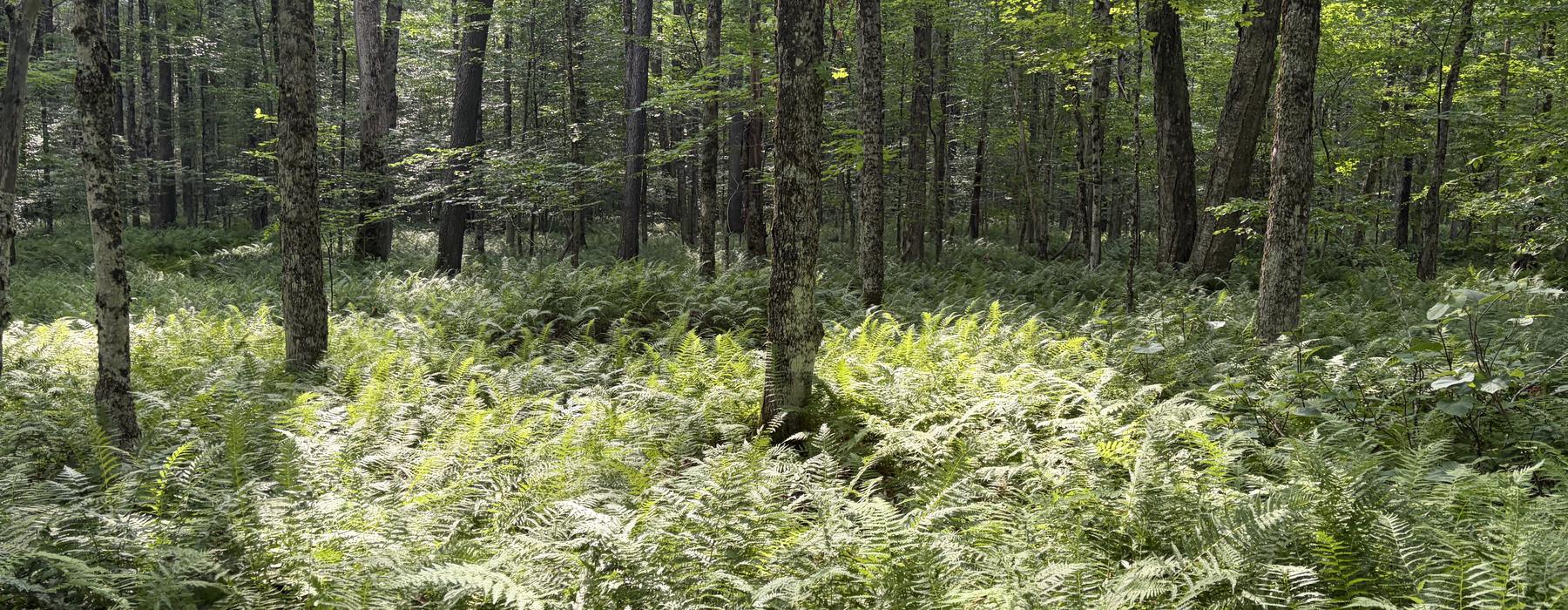
Many landowners in New York have never been told plainly what managing woodland involves, or why doing nothing is itself a decision. This is the session we would give a neighbor over the fence. No jargon, no pitch, and a landowner in the room who has actually been through it.
Part one is done and the replay is above. The next two are open now. Free, no sales pitch, and a recording goes to everyone who registers whether you make it live or not.
Seven chapters, about forty minutes, then twenty minutes of questions from the 53 landowners in the room. Artem and Luke are both in the woods most weeks, so this is what they see rather than what a textbook says.
Understanding your forest and why management matters
The plain version of what forest management is, and the difference between leaving woods alone and actively managing them. Why the second one matters more than most people expect.
Goals first: what do you actually want from your woods?
Wildlife, timber, recreation, privacy, aesthetics: most landowners want some mix of these and have never had to rank them. This is where we sort out what actually matters to you, before anyone talks about how.
Why a managed forest holds more game
Cover, browse and edge, and what deer and turkey actually need from a property. The reason two neighboring woodlots can hold very different amounts of game.
The fear, addressed directly
No, this does not mean clearing your woods. This is the objection we hear most often and it deserves a straight answer rather than a brochure.
Invasives, and what they cost you
Including plant species like Japanese barberry and Asiatic bittersweet, or pests like hemlock woolly adelgid and emerald ash borer, and what happens to a stand if it is left alone. This is the part that tends to change how people see their own property.
A landowner's story
Ten minutes with Brian Ellis, unscripted. What he wanted, what we found, what got done, and what he would do differently.
Your questions
Twenty minutes, genuinely open. Bring something specific about your own woods.
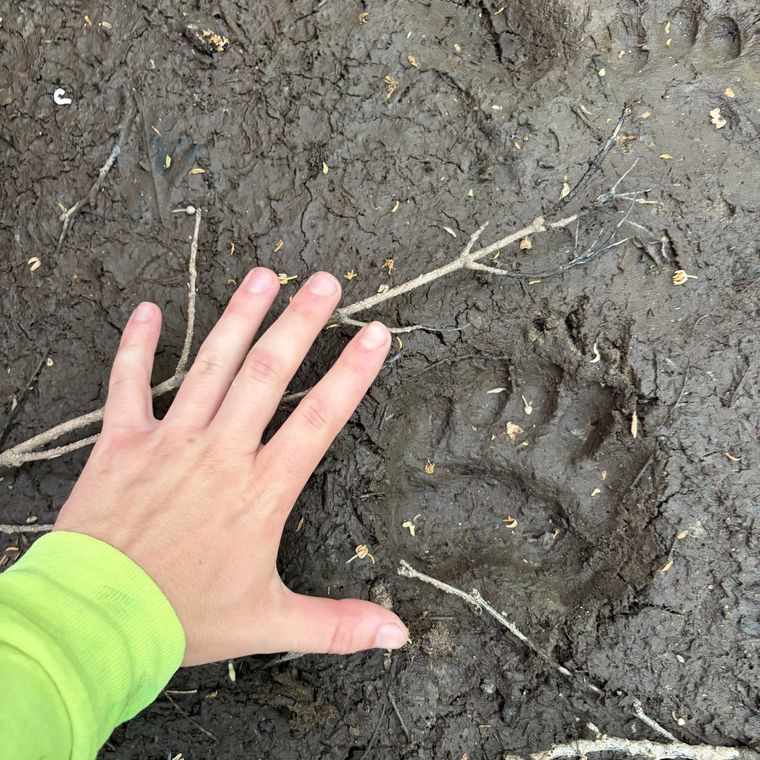
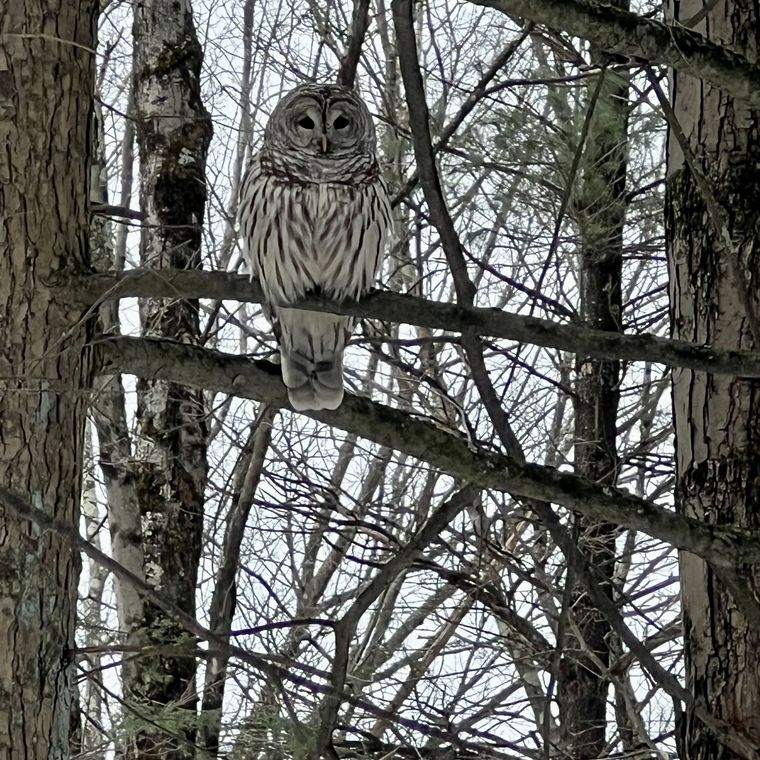
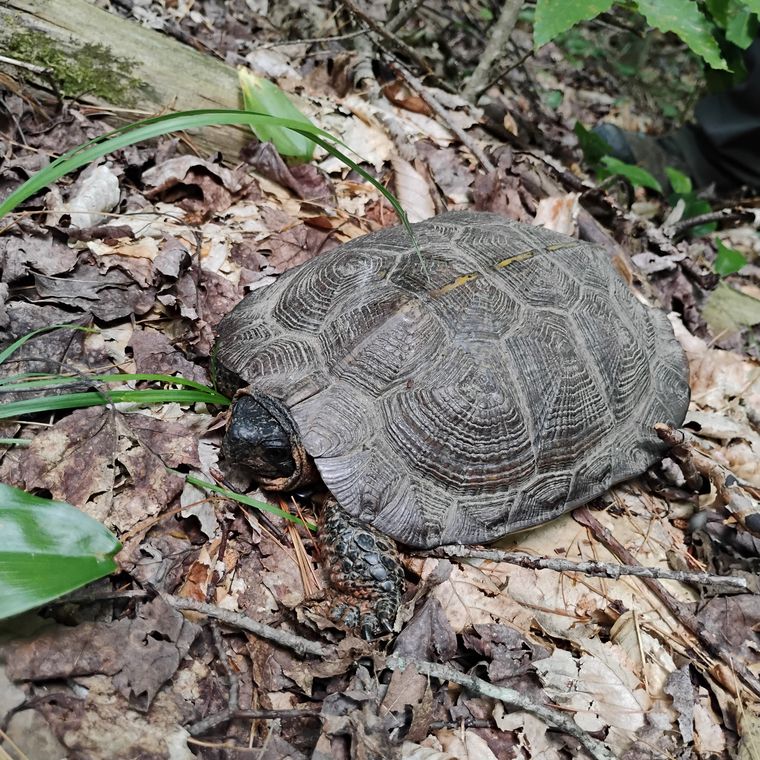
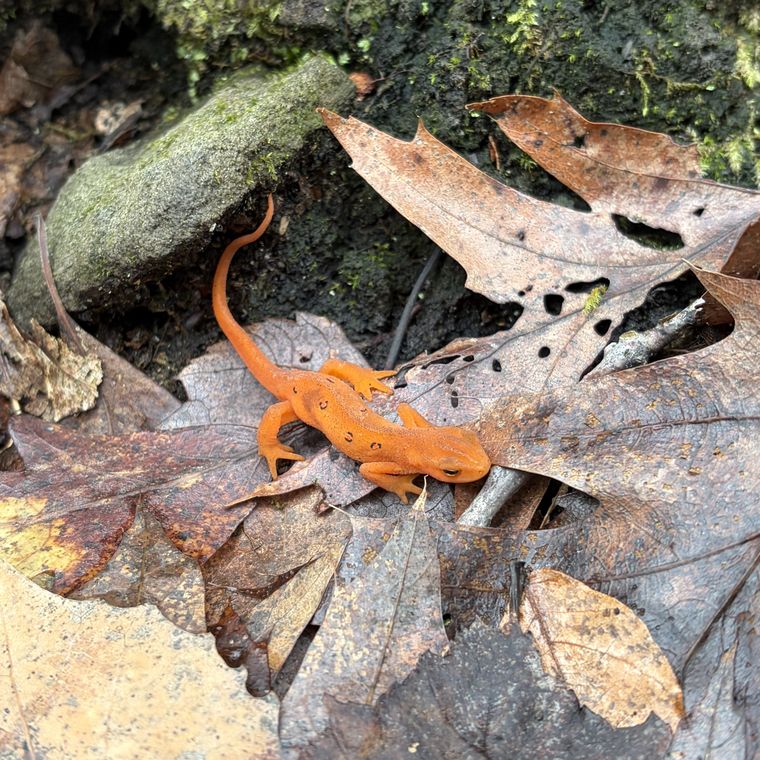
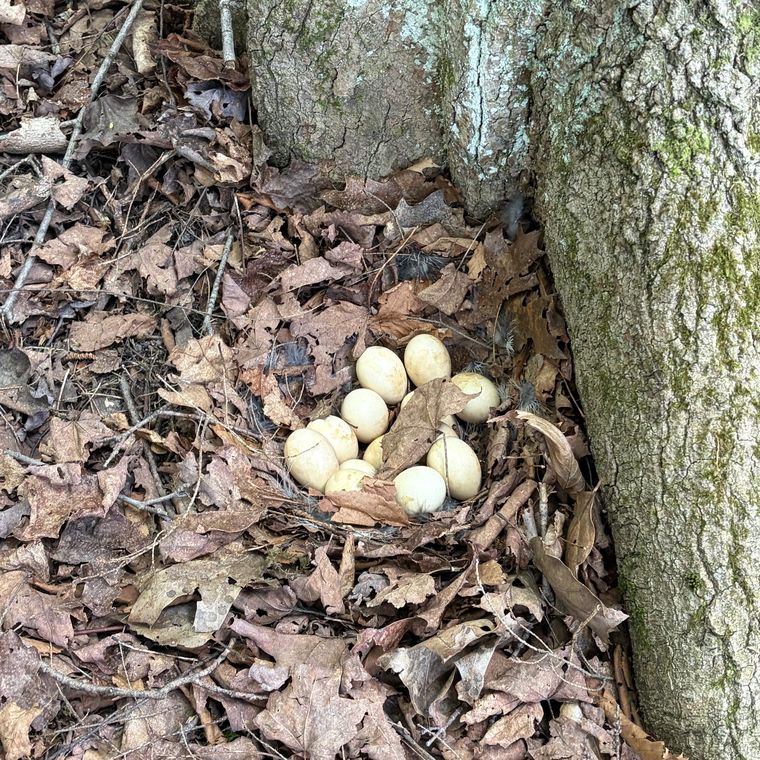

All photographed on properties AMRO manages. Chapter 03 is about why some woodlots hold this and the one next door does not.
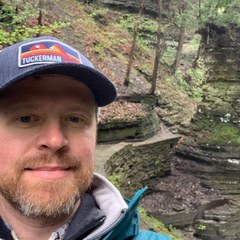
Artem Treyger
Executive VP, Head Forester
Artem has been working in forestry for more than 20 years, with the last 15 plus years focused on helping private landowners manage their forests. Artem handles day to day business operations while also working in the woods inventorying properties, talking with landowners about what they want from their forest, writing forest management plans, marking timber, and helping put those plans into practice.
SAF Certified Forester. USDA Natural Resources Conservation Service Technical Service Provider in Forest Management.
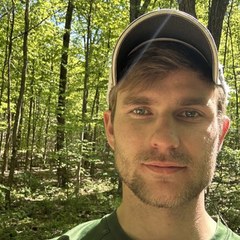
Luke Day
Director of Field Operations
Luke has been working in forestry and natural resource management for the past 6 years, with the last 4 years focused on helping private landowners manage their forests. Day to day, Luke heads all field operations including project scheduling and client relations, while also working in the woods inventorying properties, talking with landowners about what they want from their forest, writing forest management plans, marking timber, and leading teams in project implementation.
USDA Natural Resources Conservation Service Technical Service Provider in Forest Management. ISA Certified Arborist.
Brian is not a presenter and he is not reading from anything. He is a landowner who has been through the whole arc, and he has agreed to sit with us for ten minutes and answer whatever comes up.
His property is worth hearing about because it covers the range. It started with a woods walk and a conversation about what he actually wanted from the place. Then a forest inventory and a management plan. Then the work itself: timber marking, forest stand improvement, controlling competing vegetation both mechanically and chemically, and tree planting with protection from deer.
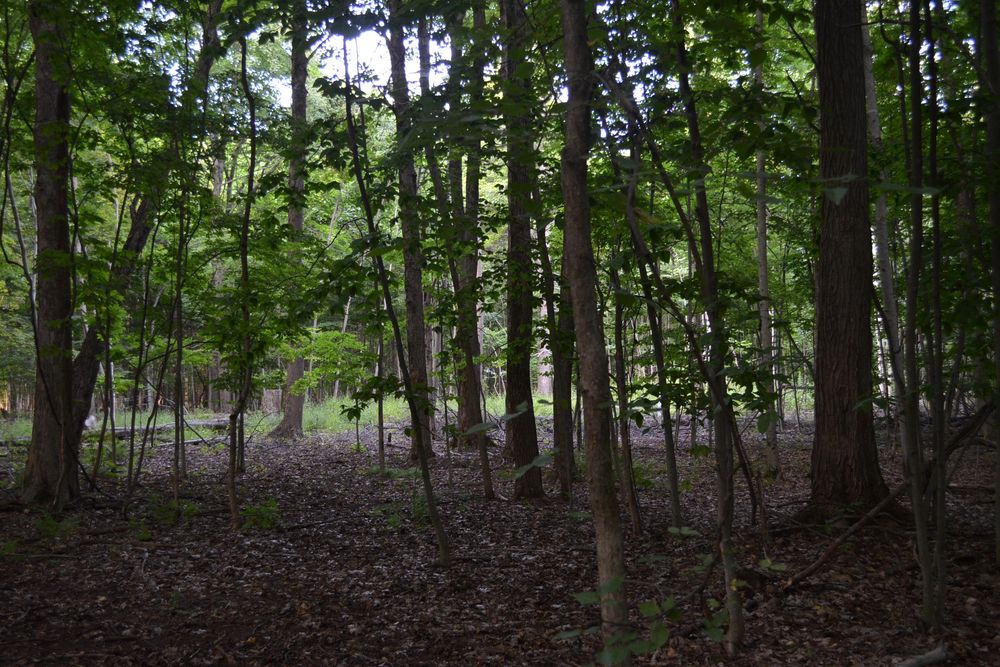
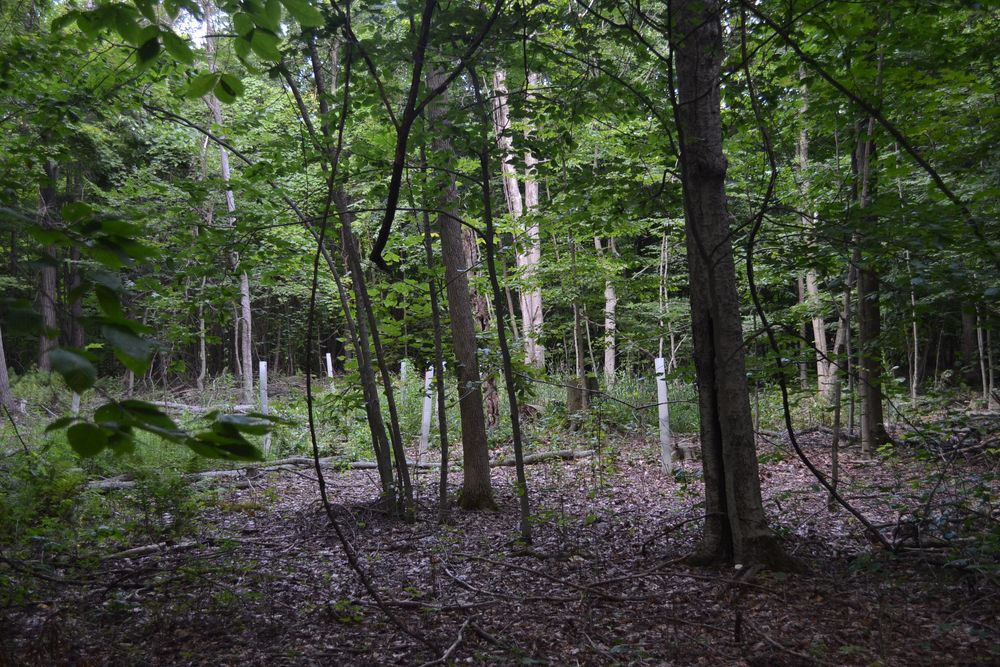
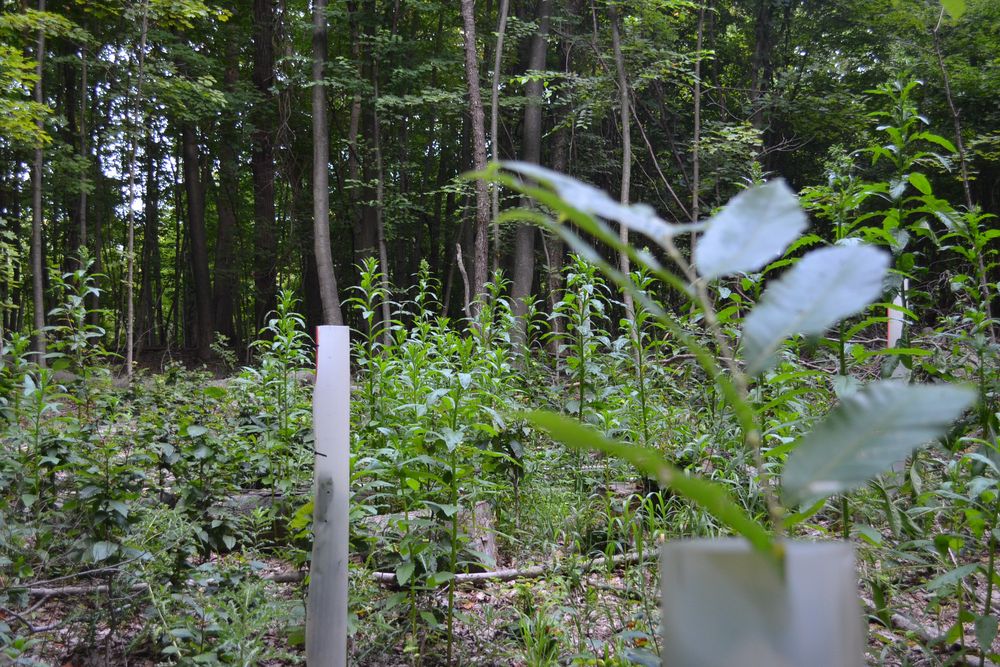
Brian's own photographs of the patch cuts, where the regrowth and the tree tubes sit against the darker unthinned woods behind. Used with his permission.
Three sessions, all Thursdays at noon. They stand alone, so you can come to one or all three, but they are built to run in order. Part one is recorded and free to watch. Registering for the other two is a single form.
Understanding Your Forest and Why Management Matters
What management actually means, how to decide what you want from your woods, and why a managed forest holds more game.
What Is in My Woods, and Is It Worth Anything?
What drives timber value, the high grading trap, and what a management plan is and costs.
What Programs Are Open to New York Landowners Right Now?
Every program side by side, who each one suits, what the paperwork really involves, and what you can stack.
Is it really free?
Yes. There is nothing to buy on the call and nobody will phone you afterwards unless you ask us to.
I missed part one. Have I lost my chance?
No. The full recording is at the top of this page and free to watch. Just add your name and email. Parts two and three build on it but each session stands on its own.
What if I cannot make parts two or three live?
Register anyway. The recording goes to everyone who signed up, live attendance or not, and it does not expire.
How long is it?
About an hour. Roughly forty minutes of material and twenty minutes of questions, and we mean the questions part.
Do I need to own a lot of land?
No. We work with properties from a handful of acres upward, and the smaller ones often have the most straightforward options.
Will you try to sell me a timber harvest?
No. Plenty of the properties we look at should not be cut at all right now, and we will say so. That is rather the point of the series.
Can I bring a question about my own property?
Please do. Put it in the box on the form when you register and we will try to work it into the session.